
Lansing: 517-321-8000
Grand Rapids: 616-538-2400
NE Detroit: 586-727-7502
Saginaw: 989-777-0090
Traverse City: 231-267-5060
West Detroit: 248-437-8121
News & Updates
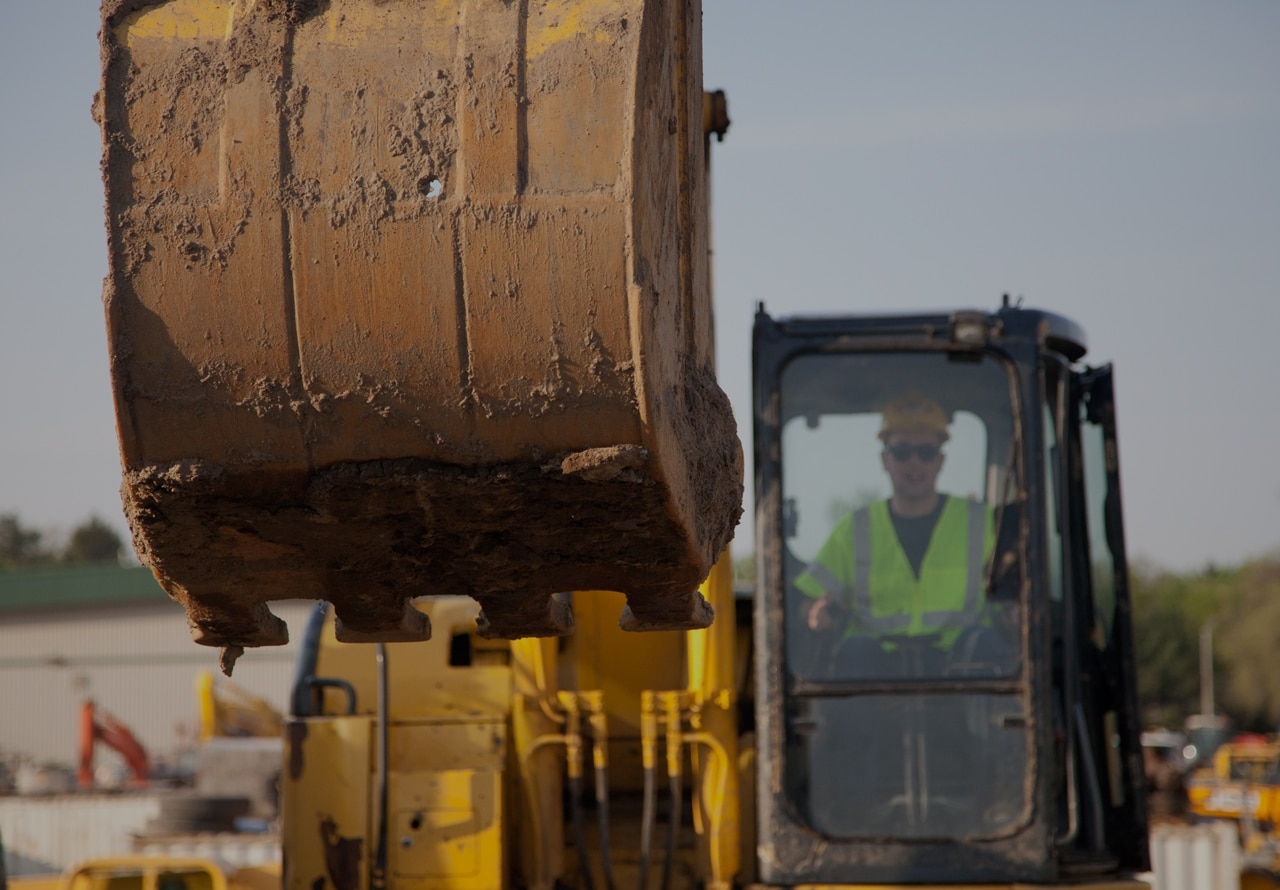
July is officially here, bringing peak summer heat, high humidity, and long, grueling shifts for your crew. When you’re pushing heavy machinery hard in these temperatures, your equipment’s internal fluids are pushed to the limit.
When the final whistle blows at the end of a scorching day, it’s incredibly tempting for operators to park the machine, turn off the key, and leave the refueling for tomorrow morning.
But doing that in July is a recipe for expensive fuel contamination and premature turbo failure.
To keep your fleet running strong and avoid unexpected downtime this month, implement this two-step end-of-shift routine today.
Leaving a machine sitting overnight with a half-empty fuel or Diesel Exhaust Fluid (DEF) tank is a major summer maintenance risk.
When a machine works hard all day, the diesel fuel and DEF get hot due to constant engine return cycles. When the ignition is turned off, the machine starts to cool down. As the ambient temperature drops overnight, that hot, mostly empty tank draws in the humid summer night air through the breathers.
When that humid air hits the cooling metal or plastic walls of the tank, it creates heavy condensation.
Water drops straight down into your fluids.
Make it a strict rule to fill both the diesel and DEF tanks completely at the end of every shift. By topping off the tanks, you eliminate the empty airspace, leaving no room for humid night air to enter and trap moisture inside.
The second half of your July end-of-shift routine takes place before the engine even shuts down.
During heavy summer operation, turbochargers spin at over 100,000 RPM and experience intense thermal stress. If an operator shuts the engine off immediately after a heavy pull, the oil pump stops instantly.
With no fresh oil circulating to cool it down, the residual oil sitting in the scorching turbo bearings literally cooks. This process, known as “oil coking,” leaves behind hard carbon deposits that scratch bearings, restrict oil flow, and ultimately destroy the turbo.
The July Fix: Train operators to let the machine idle for 3 to 5 minutes before turning off the key. This allows the oil to keep circulating while the exhaust temperatures drop, safely cooling the turbo down and extending its lifespan.
🛠️ July Quick-Tips:
- Thicker Grease: Intense summer heat thins out standard grease quickly, causing it to “squeeze out” of high-friction pins and bushings. Check your OEM manual to see if switching to a heavier summer-grade grease is recommended for your fleet.
- Air First, Water Second: When cleaning choked radiators and oil coolers clogged with summer dust, blow them out with compressed air first. Blasting a dusty radiator with a high-pressure water hose can turn the dust into mud, packing it deep into the cooling fins and causing the engine to overheat.
Monday - Friday: 7am - 6pm
Saturday: 8am - 12pm
Sunday: On call
All contents and materials © Copyright AIS Equipment 2026
Website designed and developed by Web Ascender