Lansing: 517-321-8000
Grand Rapids: 616-538-2400
NE Detroit: 586-727-7502
Saginaw: 989-777-0090
Traverse City: 231-267-5060
West Detroit: 248-437-8121
News & Updates
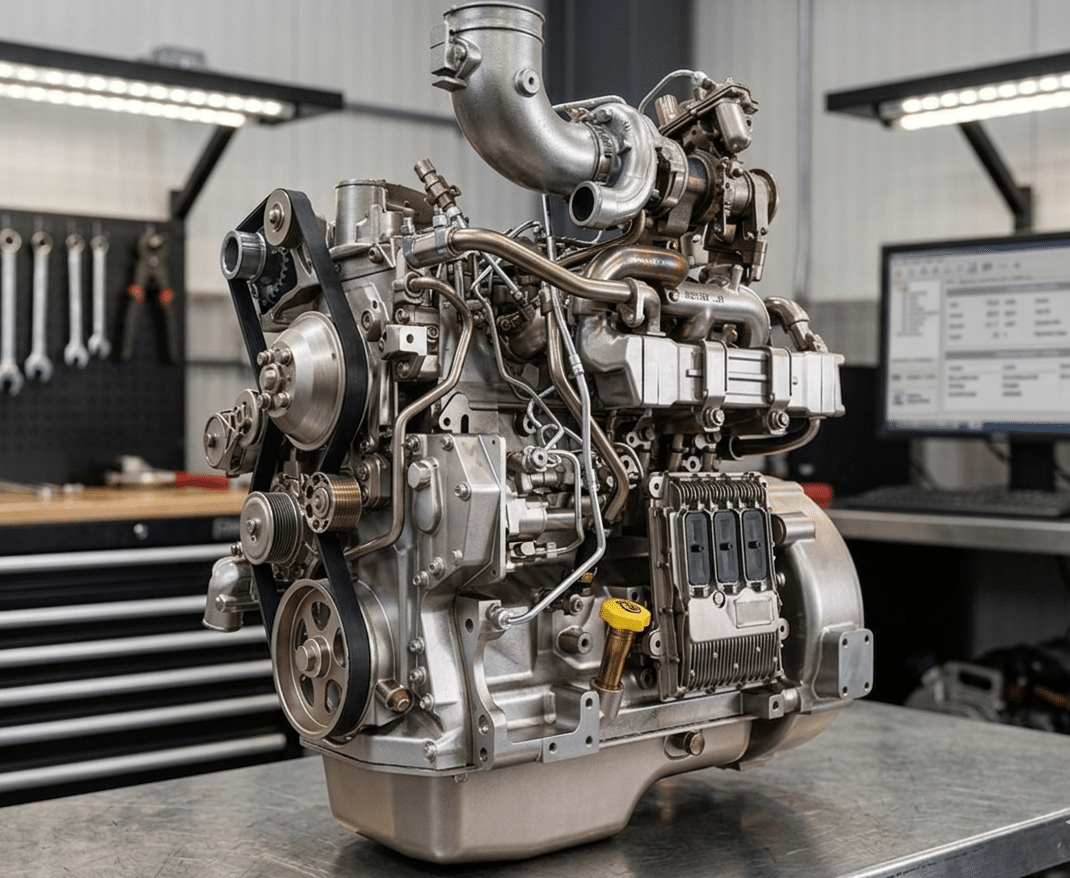
If you picture a diesel engine, you might think of an old, indestructible tractor idling in a barn—a machine that could run on just about anything without skipping a beat.
But if you’re running a modern diesel engine, we have some news for you: this isn’t your grandpa’s tractor. While the basic principles of diesel systems haven’t changed—fuel is still drawn from the tank, filtered, pressurized by a pump, and sent to the injectors—the technology delivering that fuel has undergone a massive evolution. Today, maintaining pristine diesel fuel cleanliness isn’t just a good maintenance habit; it’s the difference between a smooth-running machine and a catastrophic, multi-thousand-dollar repair bill.
Here is a look at why clean fuel is so critical today, and how you can protect your engine.
To understand why cleanliness is so vital, you have to look at the numbers. Older, mechanical diesel systems typically operated around 3,000 PSI. The fuel was delivered to a mechanical injector that opened just once per cycle.
Today’s High-Pressure Common Rail (HPCR) systems are a completely different beast:
Because these components are engineered with such microscopic precision, even the tiniest speck of dirt or drop of water can act like a wrecking ball inside your fuel system.
Just because diesel fuel looks clear coming out of the pump nozzle doesn’t mean it’s clean. The journey from the refinery to your tank is a long one. Transport trucks and underground storage tanks frequently harbor hidden threats, including:
When these contaminants make it past your defense lines into your injection pumps and injectors, they cause severe abrasive wear on ultra-precise internal components.
Water is the ultimate enemy of a modern injector. If a microscopic droplet of water makes its way past the filters and hits a hot injector tip, the extreme heat causes the water to flash-boil instantly. This creates a localized explosion.
At best, this causes premature erosion and ruins the injector over time. At worst? The explosion can literally blow the tip right off the injector, leading to catastrophic, immediate engine failure.
The stakes are high, but preventing costly downtime and expensive component damage is relatively simple. By adopting a few strict fuel-hygiene habits, you can save yourself a massive headache down the road:
If you store fuel on-site or use portable jugs, only use clean containers specifically rated for diesel fuel. Ensure they seal tightly to keep out airborne dust, debris, and atmospheric moisture.
Skip the small, remote “mom-and-pop” stations where the diesel fuel might sit in underground tanks for months. Instead, buy your fuel from high-volume stations (like major truck stops). Their fuel turnover is rapid, meaning sediment and water have less time to accumulate in their storage tanks.
It can be tempting to save a few bucks on a cheap, no-name fuel filter at the local auto parts store, but it’s a massive gamble. Stick to Original Equipment Manufacturer (OEM) filters. They are rigorously tested and specifically rated to trap the microscopic particles that modern manufacturers know will destroy their components.
Make it a habit to drain your fuel-water separator daily. Additionally, when you perform a standard engine oil change, take the time to drain the accumulated water and debris from the bottom of the main fuel tank. This keeps the baseline of contaminants in your system to an absolute minimum.
The days of dumping a quart of used motor oil or automatic transmission fluid into the fuel tank to “lubricate the pump” are long gone. Doing that today will instantly ruin modern emissions systems and clog injectors. Today’s engines require highly refined, specialized fuel conditioners designed to safely increase fuel lubricity and protect precision components.
The Bottom Line: Modern diesel engines offer incredible power, efficiency, and cleanliness—but they demand pristine fuel to do their job. Treat your fuel system with the precision it was engineered with, and it will keep running strong for years to come.
Let our team help protect your investment. We have a team dedicated to preventative maintenance to help prevent costly downtown and repairs. Contact us with questions and we can help make sure your equipment is on track and healthy!
Monday - Friday: 7am - 6pm
Saturday: 8am - 12pm
Sunday: On call
All contents and materials © Copyright AIS Equipment 2026
Website designed and developed by Web Ascender